
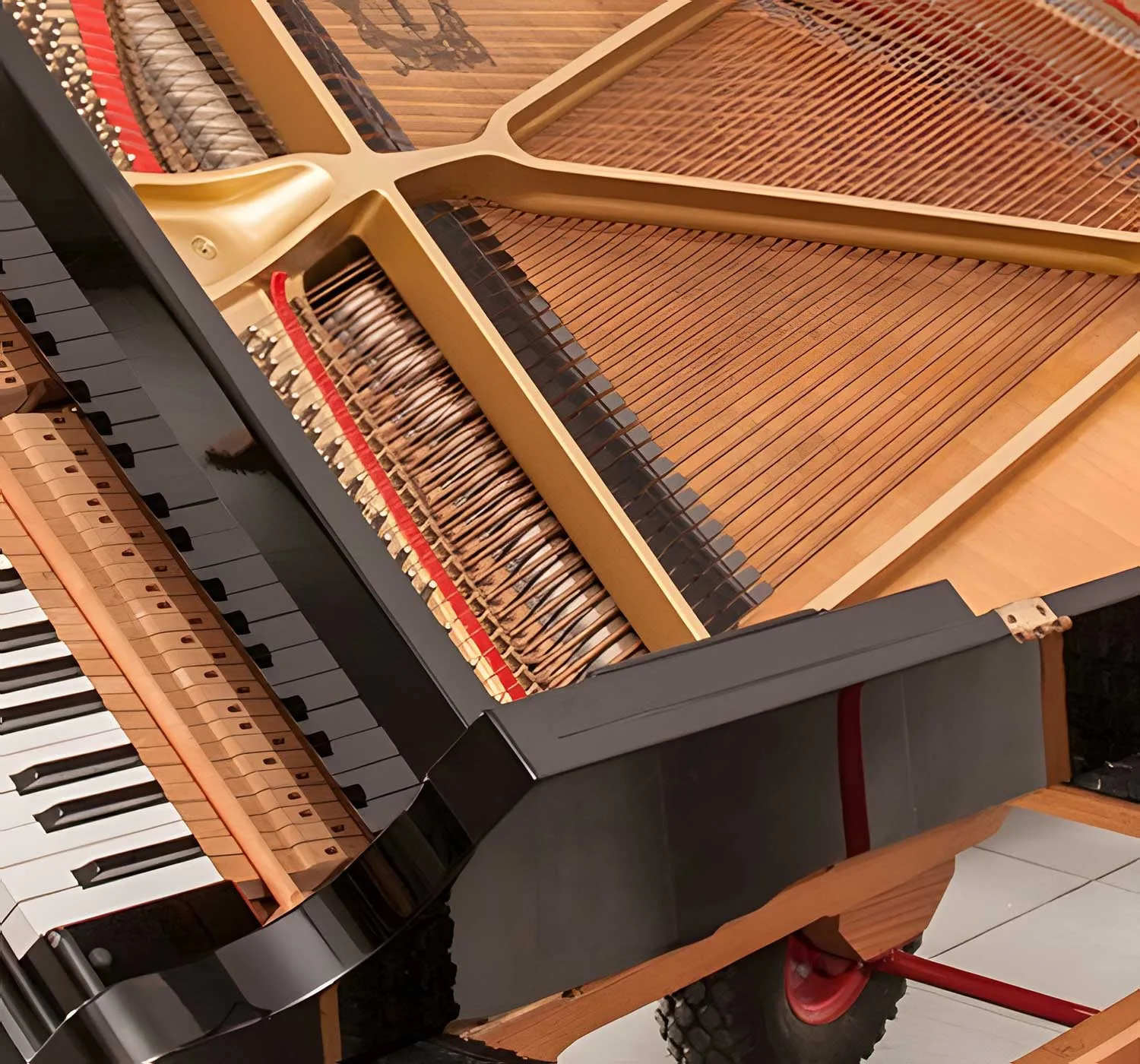
One of the most common questions we hear after a move is whether the piano needs tuning. The short answer is usually yes, but not straight away. Here is why, and how to get the best result.
Why a piano goes out of tune after a move
It is rarely the bumps of the trip. A well secured piano handles transport well. The bigger factor is the change in environment. A piano is mostly timber and felt, and both react to temperature and humidity. A new room, a different side of the house, a coastal suburb or a heated apartment all change the conditions the soundboard and pin block are used to, and the strings follow.
How long should you wait?
Give the piano two to three weeks to settle in its new position before tuning. Tune it too early and it may drift again as it adjusts. If the move was a long one, or into a very different climate, waiting a little longer does no harm.
Where to place a piano so it holds its tune
- Away from direct sunlight and large windows
- Away from heaters, fireplaces and air conditioning vents
- Ideally against an inside wall rather than an external one
- Off damp floors and out of draughty hallways
Signs something else needs attention
If keys stick, notes do not sound, pedals feel different or there is a new buzz or rattle, mention it to your tuner. Most of these are simple adjustments. If you think something happened in transit, let your mover know straight away.
Finding a tuner
We work alongside Melbourne’s piano tuners, technicians and restorers every week and are happy to recommend someone. You can read more about what we do beyond the move on our services page.
Long distance moves and tuning
The further a piano travels, the more its surroundings change. A move from a heated Melbourne apartment to a country home in Ballarat or Horsham means a different climate, different humidity and often cooler rooms. Expect a bigger tuning change after a long country move than after a short local one, and give the piano the full settling time before the tuner comes.
On long runs we keep the piano upright, padded and strapped, and drive it straight through rather than leaving it in a depot. That helps, but no amount of care stops a piano responding to its new room. That is what the first tuning is for.
Getting the most from the first tuning
A few small things make the tuner’s visit more useful:
- Keep the room at its normal living temperature for a week or two beforehand
- Note any sticking keys, buzzing notes or pedal noises you have heard since the move
- Leave clear space around the piano so the tuner can open it up
- Ask the tuner whether a second tuning in a few months is worth booking, especially for an older piano
We work with tuners as well as restorers, so if you would like a recommendation after your move, just ask when you book.
Related guides: how often should a piano be tuned, and what it costs in Melbourne and can you move a piano in the rain?
Questions
Frequently asked questions
Does every piano need tuning after a move?
Most do, because of the change in room conditions rather than the trip itself.
How soon after moving should I tune my piano?
Wait two to three weeks so it can settle in the new room.
Can you recommend a piano tuner?
Yes. We work with trusted tuners across Melbourne and can put you in touch.
Ready when you are